Multidisciplinary dental clinic
A considered treatment plan,written for you
At Aurel Dent, implantology, prosthodontics, aesthetic dentistry and endodontics do not work in isolation; they agree on one coordinated plan. Before anything begins, you receive a written plan setting out phases and costs, along with the time to consider it calmly.
About us
A clinic that plans before it treats
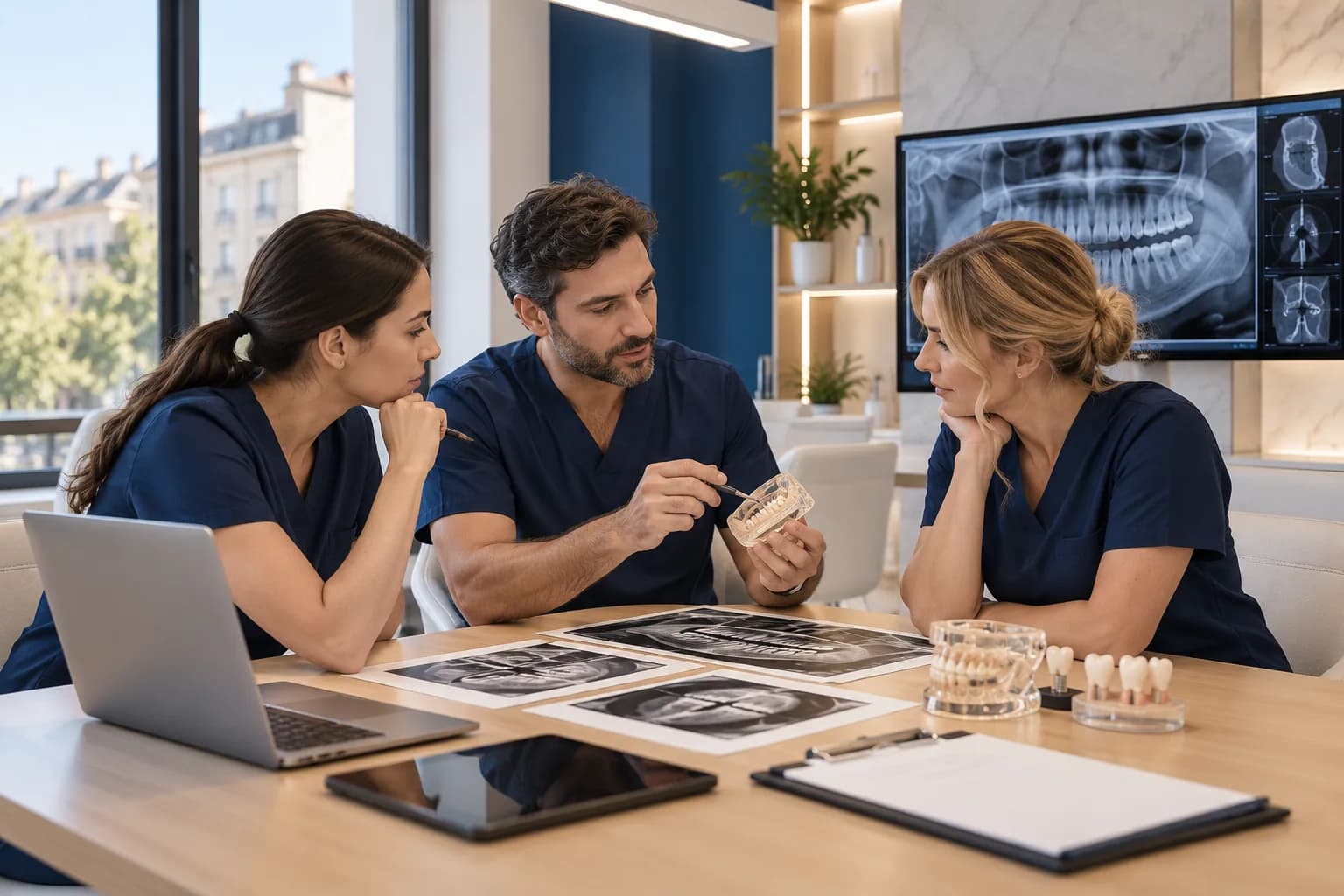
Aurel Dent was founded on the idea that patients should not have to reconcile the opinions of different specialists on their own. Here, those opinions meet at the same table before we propose any treatment to you.
Treatments
Areas of treatment, connected by one plan
Each area is described separately here, but in practice it rarely stands alone. An implant depends on the prosthetic work it will carry, veneers on healthy gums and a stable bite, and a crown on a well-treated root.
Our team
Dentists who confer before they see you
Each member of the team has their own field, but no plan is made in a single room. Meet the people who will review your case together.
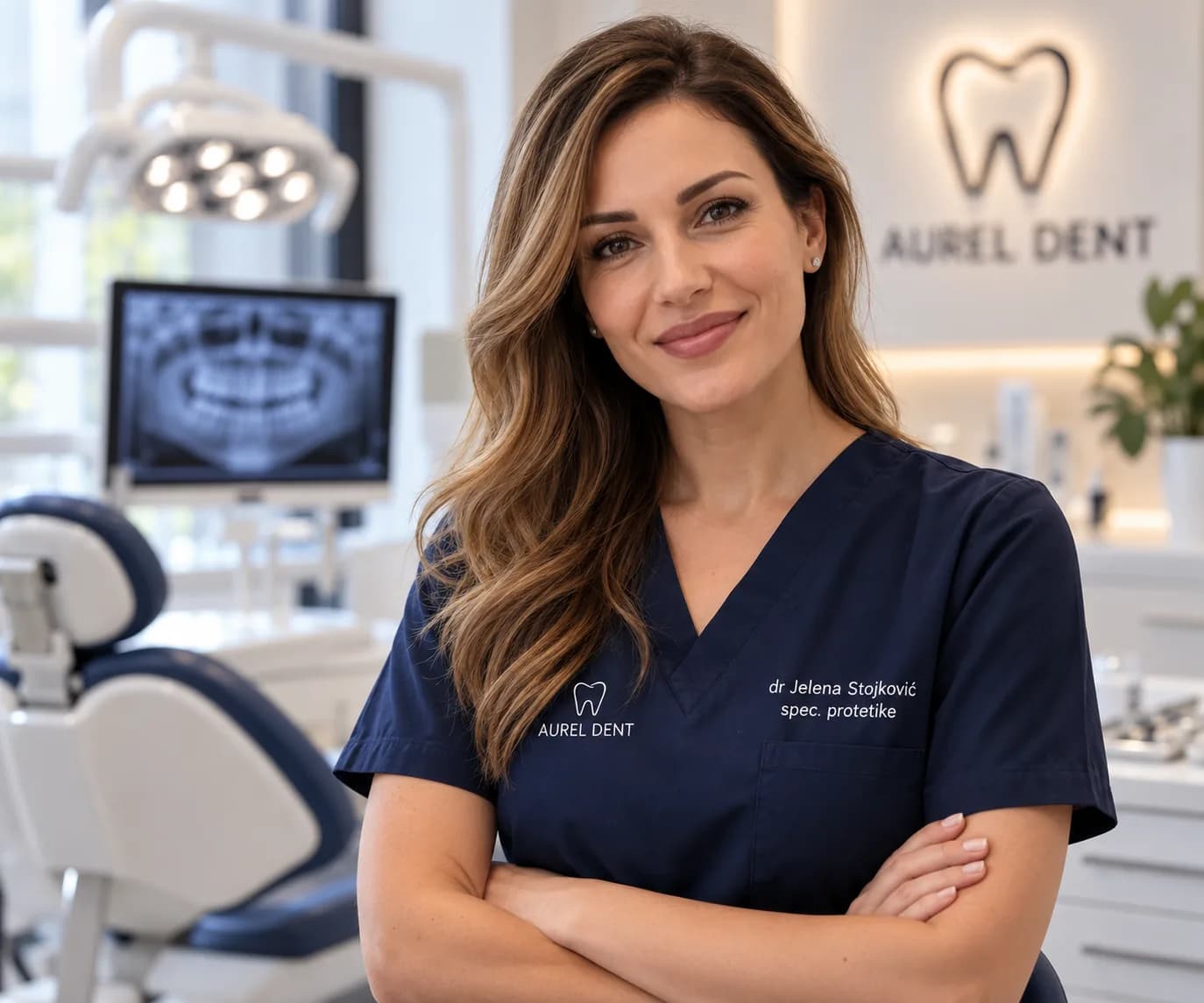
Dr Jelena Stojković
Specialist in prosthodontics
Dr Jelena Stojković coordinates complex treatment plans where prosthodontics, implantology and aesthetics meet. She explains the order of each phase, and the reasoning behind every decision, before anything begins.
Book with this dentist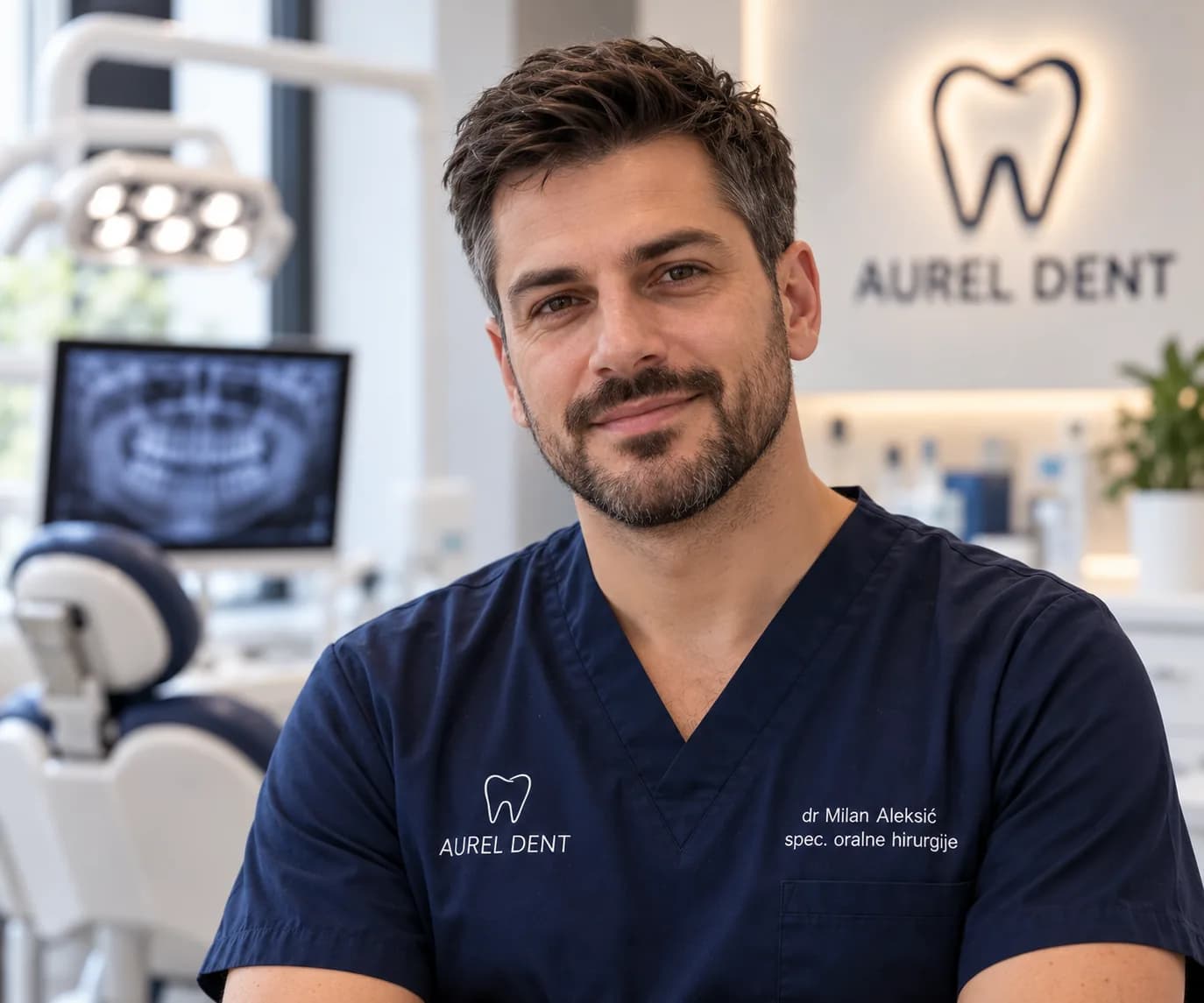
Dr Milan Aleksić
Specialist in oral surgery
Dr Milan Aleksić plans and places implants and performs surgical procedures based on CBCT imaging and close agreement with the prosthodontist. He believes a well-explained procedure is half of a calm recovery.
Book with this dentist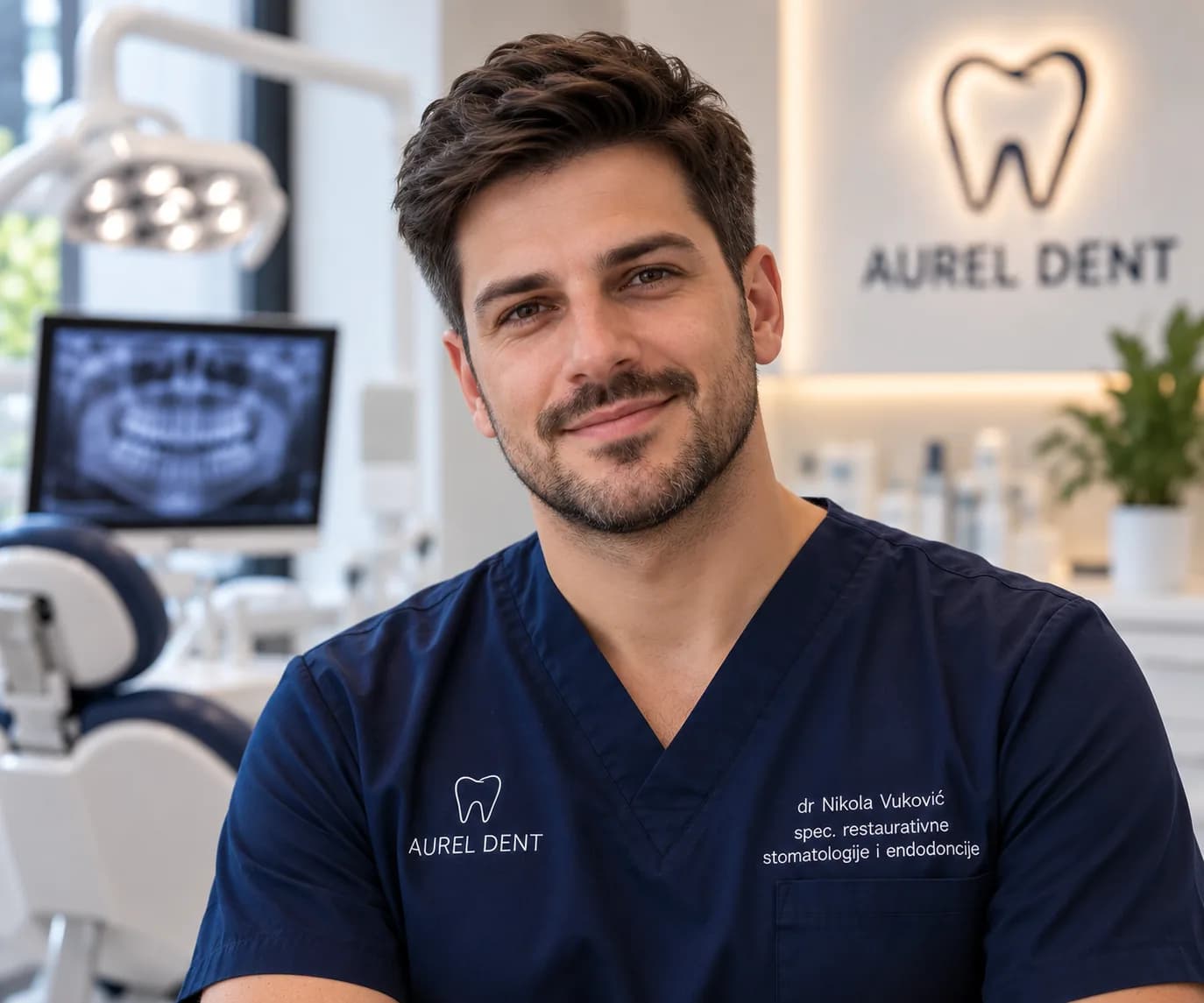
Dr Nikola Vuković
Specialist in restorative dentistry and endodontics
Dr Nikola Vuković focuses on root canal treatment and retreatment using an operating microscope. Within a treatment plan, he assesses which teeth have a good prognosis and are worth preserving.
Book with this dentist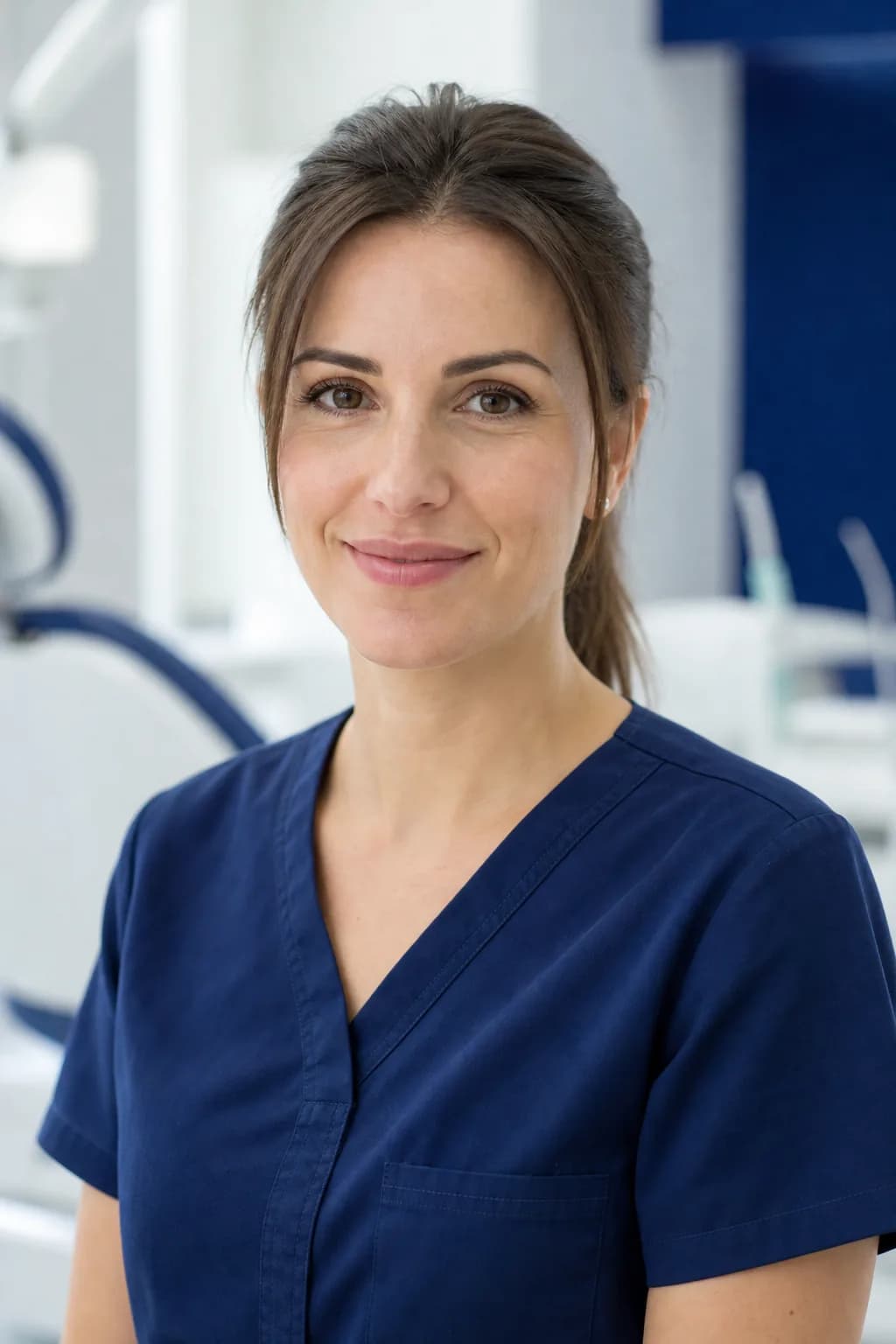
Dr Ana Ristić
Dentist
For most patients, Dr Ana Ristić is their first contact with Aurel Dent: she carries out thorough examinations, interprets imaging and follows patients through regular check-ups. She takes particular care with patients who feel anxious about dental treatment.
Book with this dentistPatient experiences
How patients describe their way through the plan
I came in with several old crowns and no idea where to start. After the first examination I was given a written plan in three phases with approximate costs for each, so I could spread the treatment across the year.
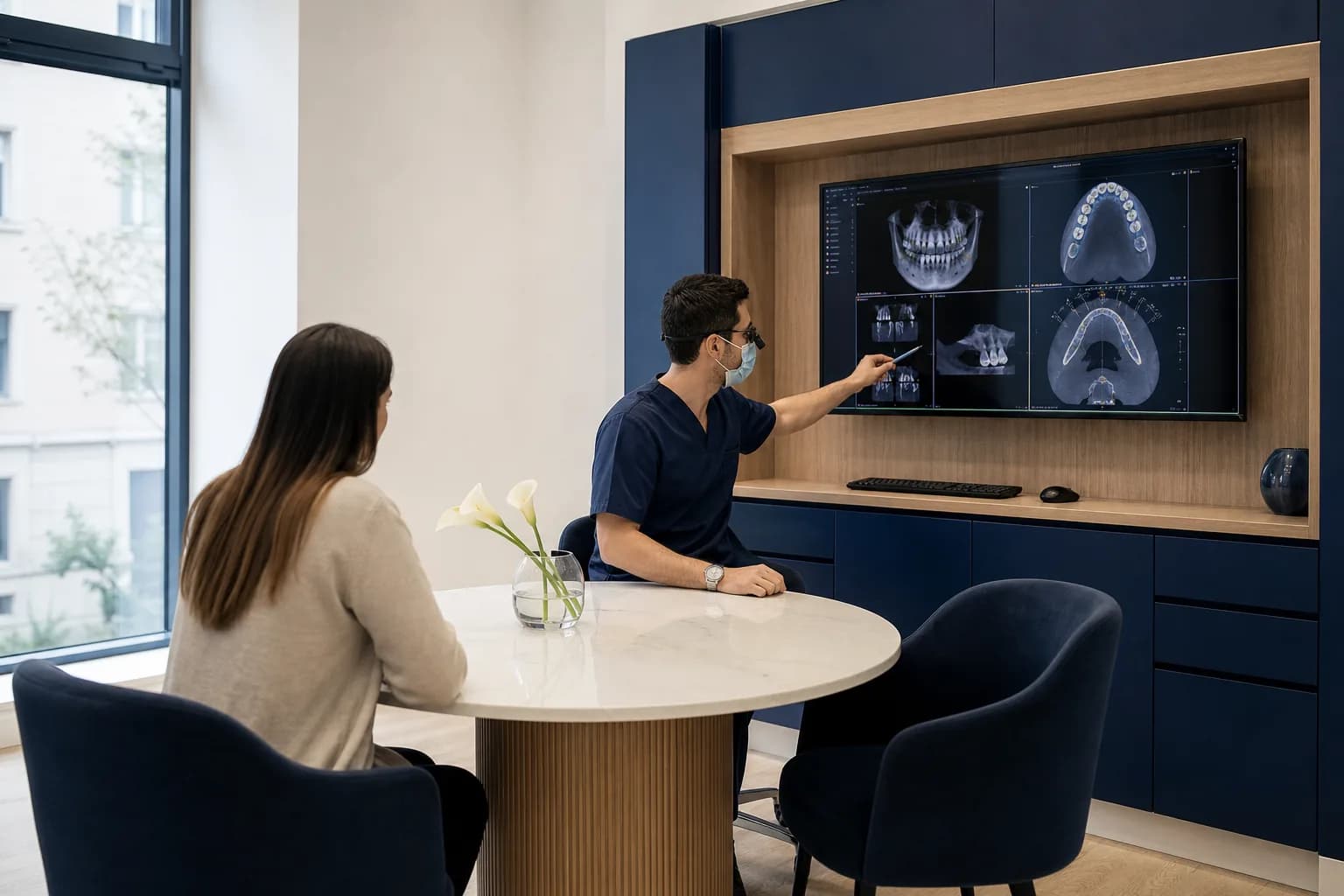
Before the implant was placed, the doctor showed me on the scan where it would go and why a little bone grafting was needed. The procedure went more calmly than I expected, and the instructions for the first days were clear and written down.
What mattered most to me was being able to try a temporary version of the tooth shapes before the veneers were made, and to say what I didn't like. We adjusted the length of two teeth and only then moved on.
Clinic and equipment
The clinic and its equipment
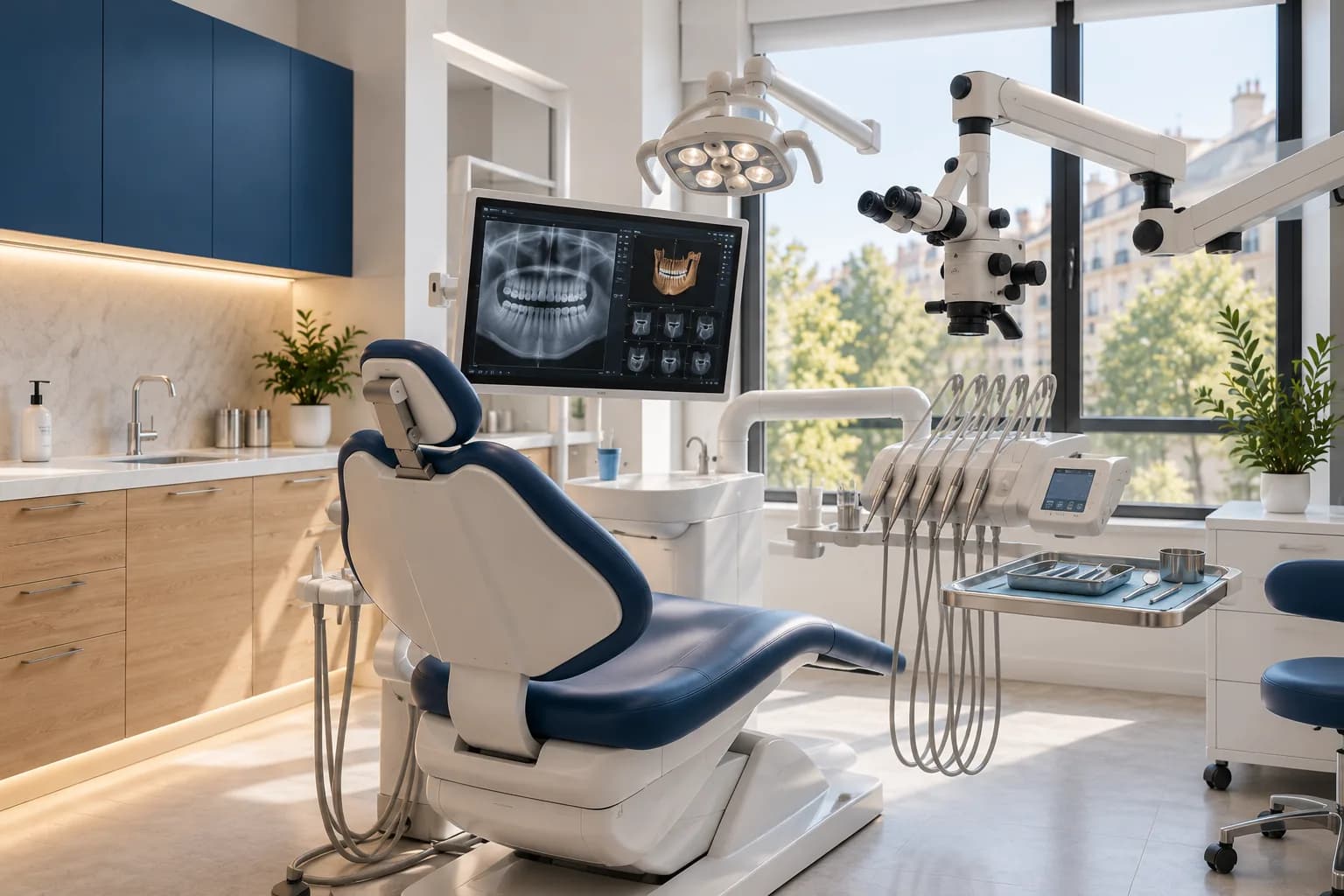
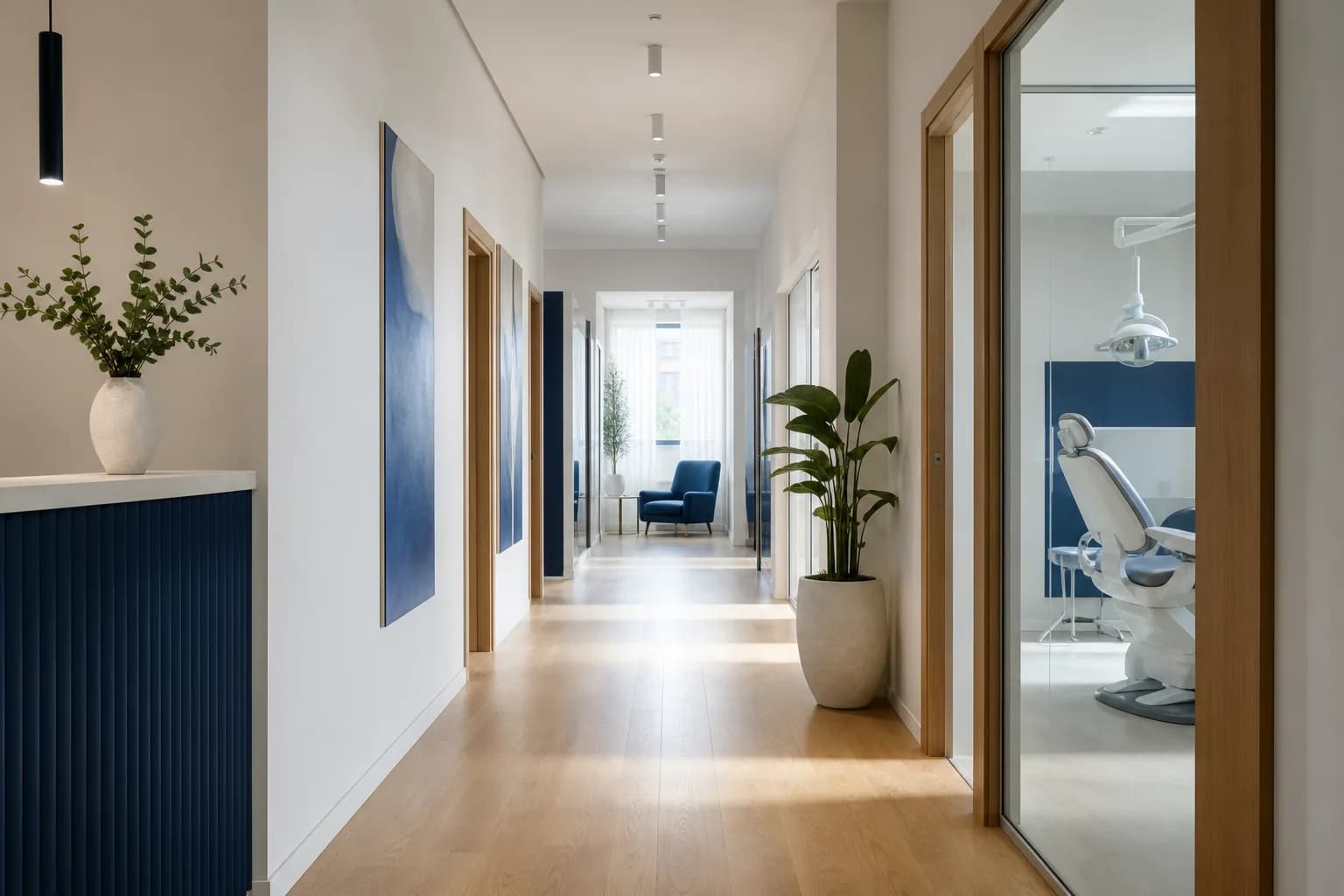
To us, equipment is a means of seeing more clearly and planning more precisely, and the rooms themselves a way of helping patients feel secure and at ease. Here we describe both.
- Intraoral 3D scannerThe scanner records the teeth and gums with a small camera and creates a precise three-dimensional model on screen within minutes. In most cases it replaces conventional impression trays, and the same digital model is used to plan crowns, veneers and implant restorations.
- Digital intraoral X-rayA digital sensor captures an image of individual teeth that appears immediately on the monitor in the treatment room. The radiation dose is usually lower than with conventional film, and the image can be enlarged to show the patient the findings clearly.
- CBCT 3D imagingThe CBCT unit produces a three-dimensional image of the jaw, teeth and surrounding structures, including bone, nerves and sinuses. We use it to plan implants, assess complex root canals and check whether bone grafting is needed before any treatment decision is made.

FAQ
The questions patients ask us most often
The answers below provide general information. Assessing your own case requires an examination and a conversation with a dentist.
Most procedures are carried out under local anaesthetic, so during treatment patients usually feel pressure rather than pain. Before we begin, we explain each step and agree a signal you can use to ask for a pause. Some mild tenderness may follow once the anaesthetic wears off, depending on the procedure and the clinical findings.
It is often possible, but only a CBCT scan shows how much bone there is and of what quality. Depending on the findings, the answer may be bone grafting, a sinus lift, a shorter implant or a different restorative approach. You receive all options, with their advantages, limitations and costs, in a written plan.
Porcelain veneers usually require removing a thin layer of enamel, which is irreversible, so we suggest them only when less invasive options would not achieve the aim. For some patients preparation can be minimal, and composite veneers often require none. How much preparation is needed is assessed at examination and on the trial model.
You can pay by card, in cash or by bank transfer. For larger treatment plans, payment can be spread across the phases of treatment by agreement. Before each phase begins you know the exact amount for that phase.
Booking
Book your first examination
A first appointment with us takes longer than usual, as it includes an examination, any necessary imaging and a conversation about possible next steps. Choose a time that suits you, and we will take care of the rest.